

Everyone has a theory about unfollows. They post too much. They got too salesy. They went quiet for a month. But when you look at actual follow activity across hundreds of thousands of tracked events, one fact jumps out before any theory does: people barely unfollow at all.
They follow constantly. They drift away quietly. And the rare mass unfollow almost always has a trigger you can name. That’s the short version of Instagram follow patterns in 2026. The rest of this article fills in the details, with one rule throughout: follow data shows what happened, never why.
Here’s what we’ll cover:
- What real follow data shows, and where it falls short
- When follows cluster, and how to find your own pattern
- How long follows last, and what cuts them short
- The triggers behind a mass unfollow
- What a new follow usually signals
- How to watch these patterns on a public account, and where to stop reading into them
Recently-Followed turns these patterns into something you can watch on any public account. Enter a username and see who they recently followed, newest first, with no login and no trace.
What the Numbers Can (and Can’t) Tell
Public Instagram following trends data is scarce. Instagram publishes none, so the best available numbers come from third-party trackers. The figures below come from one public, third-party follow-tracking dataset (source), not from Recently-Followed. As of September 20, 2026, it had logged 843,087 follow-activity events across more than 2 million analyzed follow relationships.
| Event type | Count | Share |
|---|---|---|
| New follows | 377,709 | 44.8% |
| New followers gained | 447,693 | 53.1% |
| Unfollows | 842 | 0.1% |
That works out to roughly 449 new follows for every unfollow, with close to 825,000 net follow additions. On paper, Instagram looks like a platform where people add accounts and almost never remove them.
The critical read
Don’t take that 449:1 ratio as the true unfollow rate across Instagram. Three things skew it:
- Detection bias. A new follow shows up as a fresh name on a list. An unfollow is an absence, and absences are harder to catch on large, algorithmically sorted lists.
- Selection bias. The accounts being tracked are ones people chose to watch, not a random sample of Instagram’s 3 billion monthly users.
- Short windows. Many tracked accounts are only watched for weeks. Unfollows that happen months later never enter the log.
What the data does show reliably: follow activity is overwhelmingly additive. People grow their following lists far faster than they prune them. That single pattern explains most of what follows below.
The Follow Index at a Glance
Across more than 2 million follow relationships in the third-party dataset above, about 53% of tracked events were accounts gaining followers and just 0.1% were unfollows. That’s a 449:1 follow-to-unfollow ratio, and roughly 825,000 net follow additions.
What that means in practice:
- Follows come from discovery. A big share of views now comes from recommendations to non-followers, and people often decide whether to follow within seconds of landing on a profile.
- Sends and saves drive reach. DM shares carry the most weight for reaching new audiences, and saves signal lasting value.
- Unfollows come from fatigue. Content fatigue and inconsistent posting are the usual culprits, so consistent posting keeps engagement steady.
- Quality beats quantity. A smaller audience that engages is worth more than a big one that scrolls past.
When People Follow the Most
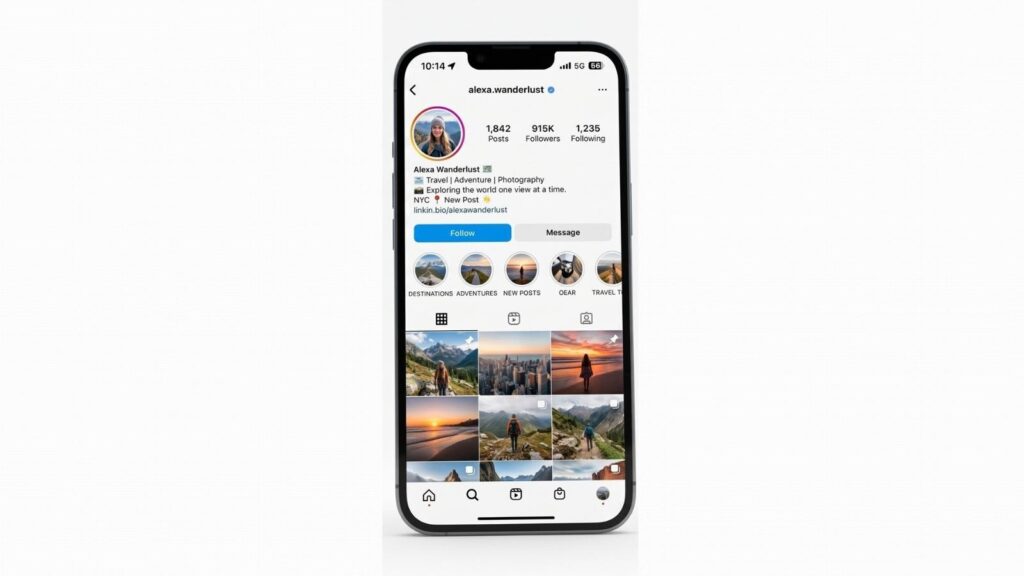
No public dataset breaks follow activity down by hour for the whole platform. What the evidence does support is a simpler rule: follows happen where attention happens.
How people follow on Instagram has shifted with discovery. Mosseri has said likes matter slightly more for reaching existing followers and sends matter slightly more for reaching non-followers, as Social Media Today reported. That’s why one widely shared Reel can bring a wave of follows from people who’d never seen the account.
What drives follow spikes
- A post traveling. When a Reel reaches beyond your existing audience, follows arrive in a burst within hours, then taper.
- Shifts in attention. A new hobby, job, or city often shows up as several follows in one week, though the follows alone can’t tell you which.
- Collabs and shoutouts. When a bigger account shares or tags a profile, the follow spike lines up with the post almost to the minute.
- Search moments. Someone looking up a local business or a niche topic follows several accounts in one sitting.
Day and time patterns
Follows track time spent in the app. When usage peaks, typically evenings and downtime, discovery peaks, and follows follow. But your audience’s rhythm is specific to your niche, your time zone, and your posting schedule.
How to find your own pattern:
- Open Instagram Insights on a professional account
- Check follows and unfollows by day over the last 30 days
- Line up the spikes against your posting calendar
- Note which day and content type preceded each jump
After a month, you’ll see your real follow pattern, not a generic “best time” chart.
Pro tip: don’t chase an hour. Chase the post. Follow spikes almost always trace back to one piece of content that got shared or recommended, not to the clock.
How Long Before Someone Unfollows
Instagram unfollow behavior is quieter than most people assume. There’s no published average “follow lifespan” for Instagram. Anyone quoting an exact number of days is estimating. What you can observe is that follows fall into types, and each type lasts differently.
| Follow type | Typical lifespan | Why it ends |
|---|---|---|
| Interest follow | Months to years | Content drifts from what they followed for |
| Friend or personal follow | As long as the relationship | Lost contact or changing circles |
| Follow-back courtesy | Weeks to months | Quiet cleanup once the moment passes |
| Follow-for-follow | Days to weeks | Reversed once the follow-back lands |
| Campaign or giveaway follow | Days | Unfollowed after the contest ends |
The most common pattern people complain about is the follow-for-follow reversal: someone follows, you follow back, and they unfollow a few weeks later. It’s a tactic for inflating a following count, and it leaves your ratio worse than before.
Why most follows simply linger
Remember the data above. Unfollowing takes effort. Most people don’t clean up their lists, so follows stick around long after interest fades. The account keeps its follower. It just stops getting any attention.
This is why a follower count is a weak measure of audience health. A lot of those followers are passive, still counted, no longer engaged.
When cleanups happen
Unfollows tend to arrive in batches, not a steady trickle. Common moments:
- Hitting the cap. Instagram limits you to following 7,500 accounts. Anyone who reaches it has to unfollow before they can follow anyone new.
- Fresh starts. A rebrand or a change in focus often triggers a purge of old follows.
- Action limits. Instagram doesn’t publish its limits, but one third-party estimate puts daily unfollows around 100 to 150 for established accounts and 30 to 50 for new ones before action blocks kick in. Big cleanups get spread across weeks.
For your own account, our guide to who unfollowed me on Instagram walks through catching these batches as they happen.
What Triggers a Mass Unfollow
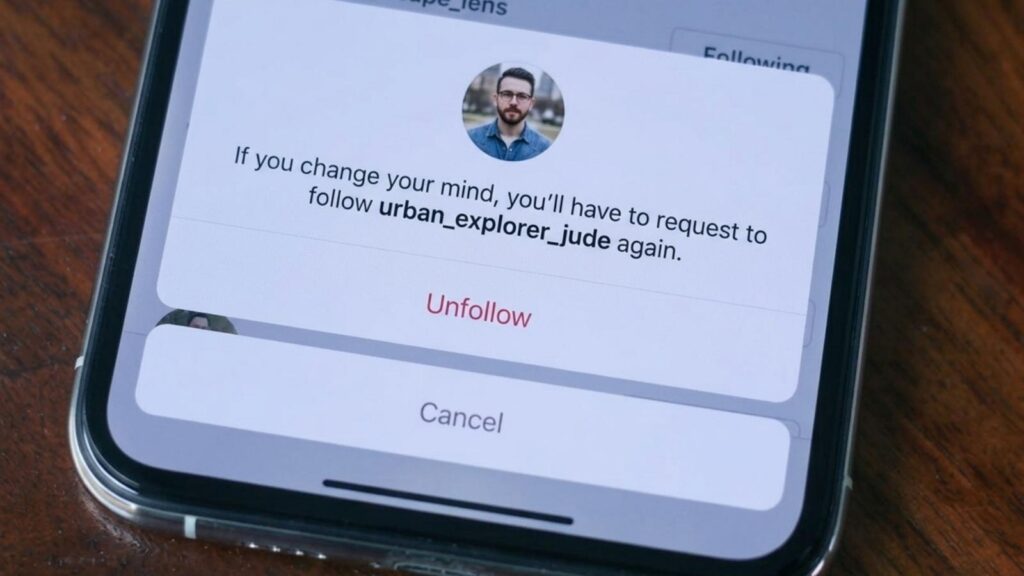
When an account loses followers in a wave rather than a trickle, something specific almost always caused it. These are the triggers that show up again and again.
1. Posting frequency swings
Too much and too little both do damage. A sudden jump from three posts a week to three a day floods feeds and pushes people to unfollow. Going silent for weeks does the opposite: followers forget why they followed. Posting consistently matters more than posting often.
2. Content shifts
People follow for a niche. When a fitness account starts posting crypto tips, or a food creator pivots to personal drama, the original audience leaves. The bigger and faster the shift, the bigger the wave.
3. Going too salesy
A feed that turns into a stream of promotions reads like an ad channel. Followers who signed up for value, tips, or entertainment start leaving once every other post is an offer.
4. Inactivity
Dormant accounts lose followers slowly, then quickly. Once the algorithm stops showing their posts, followers stop seeing them at all, and the next cleanup sweeps them out.
5. Platform purges
Sometimes the unfollows aren’t people at all. Around May 6–7, 2026, Instagram ran a large sweep of inactive and bot accounts that users nicknamed the “Great Purge of 2026.” Inc. reported that Instagram’s own account lost 15.2 million followers and Nike lost 4.27 million, though none of the large accounts it checked dropped more than 2.5%.
A Meta spokesperson called it part of a routine process to remove inactive accounts and said active followers were unaffected, according to Gulf News and others. Smaller creators reportedly saw drops of around 2% to 5%. The sweep came days after Instagram announced it would limit reach for accounts that mainly re-upload others’ work.
6. A controversy or a single bad post
One off-brand post, a tone-deaf comment, or public drama can trigger an immediate spike in unfollows within 24 to 48 hours.
When you see a mass unfollow, check the calendar first. Line the drop up against your last few posts. If nothing obvious lines up, it’s probably a bot purge, which is good news in disguise. Our breakdown of why people unfollow on Instagram covers each trigger in more depth.
How to Use These Patterns to Track Behavior
Knowing the patterns is useful. Watching them unfold on a specific account is where they become actionable.
Step 1: Set a baseline
Enter the public username on Recently-Followed and review their current follows, sorted newest first. That’s your starting point.
Step 2: Check on a rhythm
Weekly checks catch clusters without drowning you in noise. Each check surfaces anything new at the top of the list.
Step 3: Sort follows by type
For each new follow, ask the question from the section above: interest or reciprocal? Mutual connections and engagement usually give it away.
Step 4: Watch for clusters
Three or more related follows in a short window suggests attention is shifting toward a topic, niche, or group. Note it, and keep watching rather than drawing conclusions.
Step 5: Watch for the gaps
Accounts disappearing from a list are rarer. A dropped follow can mean a cleanup, a lost interest, or nothing at all. It’s one data point, not an explanation.
For brands, fold these checks into a weekly Instagram tracking report so competitor follow patterns sit next to your own growth data.
No login, ever. Tracking public follow activity never requires anyone’s password, yours or theirs. Our guide to anonymous follower tracking explains why the no-login model is the only safe one. And private accounts stay private: no tool can access their lists.
Instagram Follow Benchmarks for 2026, Checked
| Claim you’ll see | How solid it is |
|---|---|
| Typical user follows a median of 399 accounts | No official source. A plausible estimate, not a platform figure |
| Keep your following list under 1,000 | A growth-guide rule of thumb, not an Instagram rule. The hard cap is 7,500 |
| 150–200 follow/unfollow actions a day is safe | Instagram publishes no limits. Other estimates put unfollows around 100 to 150 a day for established accounts, so treat 200 as the risky end |
| 36% of marketers blame follower loss on being too salesy | A survey figure that circulates without a clear source. The direction matches what drives mass unfollows |
| India has 362M–472M Instagram users | The width of the range tells you these are estimates |
| 2.14 billion monthly active users | Conflicts with more recent reporting of Instagram reaching 3 billion monthly users. Check the date before quoting |
What actually keeps followers around
The benchmarks wobble. The fundamentals don’t.
- A bio that says who you are. People decide fast. A clear one-line bio stating what the account offers turns a profile visit into a follow.
- Content worth sending. DM shares carry the most weight for reaching new people, and saves show your content has lasting value.
- Honest numbers. After a purge, a smaller, real audience beats a bigger, inflated one every time.
Pro tip: before you build a growth plan around a benchmark, check where it came from and when. A complete, dated source is helpful. An unsourced stat recycled across ten blogs is just noise.ove.
What a New Follow Can (and Can’t) Tell You
A follow isn’t one thing. The same tap can mean genuine interest, polite reciprocity, or a strategy.
Interest signals
These are deliberate, one-directional follows:
- Following an account they have no social connection to
- Following several accounts in the same niche within a short window
- Following an account, then engaging with its posts or stories
- Following an account that doesn’t follow them back
What it can suggest: a new interest or a shift in attention. It can’t tell you the reason.
Reciprocal follows
These are social responses, not signals of interest:
- Following back someone who followed them first
- Following a friend of a friend after meeting in person
- Following accounts during a follow-for-follow push
What it usually means: politeness or growth tactics. It says little about genuine interest.
| Signal | Interest follow | Reciprocal follow |
|---|---|---|
| Who followed first | They did | The other account did |
| Mutual connections | Often few or none | Often several |
| Engagement after | Likes, comments, story views | Usually none |
| Follow cluster | Several similar accounts | Isolated |
| What it may suggest | A shift in attention | Politeness or reciprocity |
Reading clusters, not single follows
One follow tells you almost nothing. A cluster of related follows in one week is worth noticing, since it usually reflects a shift in what someone is paying attention to. It doesn’t confirm a relationship, a partnership, a move, or anything else. Treat it as a question, not an answer. See our guide on how new followers behave for the inbound side of the same signal.
Critical take: follow data is a weak signal on its own. Reciprocal follows happen constantly and mean little, and even a cluster only shows that attention moved, not why. Don’t build a story about a partner, a competitor, or a friend from follows alone.
Follow and Unfollow Questions, Answered
Do people unfollow more on mobile or desktop?
No public data splits unfollows by device. Most Instagram use happens in the mobile app, so most follows and unfollows happen there by default. The desktop site behaves the same way. There’s no evidence that one device makes people more likely to unfollow.
What’s the average Instagram following count?
Instagram doesn’t publish one, and estimates vary widely depending on who’s measuring. What’s certain is the ceiling: you can’t follow more than 7,500 accounts. Most personal accounts sit far below that, and following counts near the cap are usually a sign of follow-for-follow tactics.
Does Instagram notify you when someone unfollows?
No. Instagram sends a notification for new followers, never for unfollows. The only ways to catch them are comparing follower lists over time or using a tracking method.
Why did my follower count drop suddenly?
Usually a post that pushed people away, a long stretch of inactivity, or Instagram removing inactive and bot accounts, as it did at scale in May 2026. If no post lines up with the drop, a purge is the likeliest cause.
Read Follow Patterns Clearly with Recently-Followed
Instagram follow behavior is overwhelmingly additive. People follow constantly, unfollow rarely, and let most follows fade in silence. When unfollows do hit in waves, the trigger is usually visible: a content shift, a posting swing, a sales push, or a bot purge.
Key takeaways:
- Follows vastly outnumber detected unfollows in tracked data
- Follows cluster around discovery moments
- Follow lifespan depends on type, from days to years
- Mass unfollows trace back to identifiable triggers
- Follow data shows what changed, never why
Recently-Followed shows any public account’s recent follows, newest first, so you can watch these patterns as they happen. No login, no trace.